Community conservancies
Namibia's communal conservancies link wildlife protection with local livelihoods.

DESTINATION
Tsawises' signature landscape for conservation-led context.
WHY GO
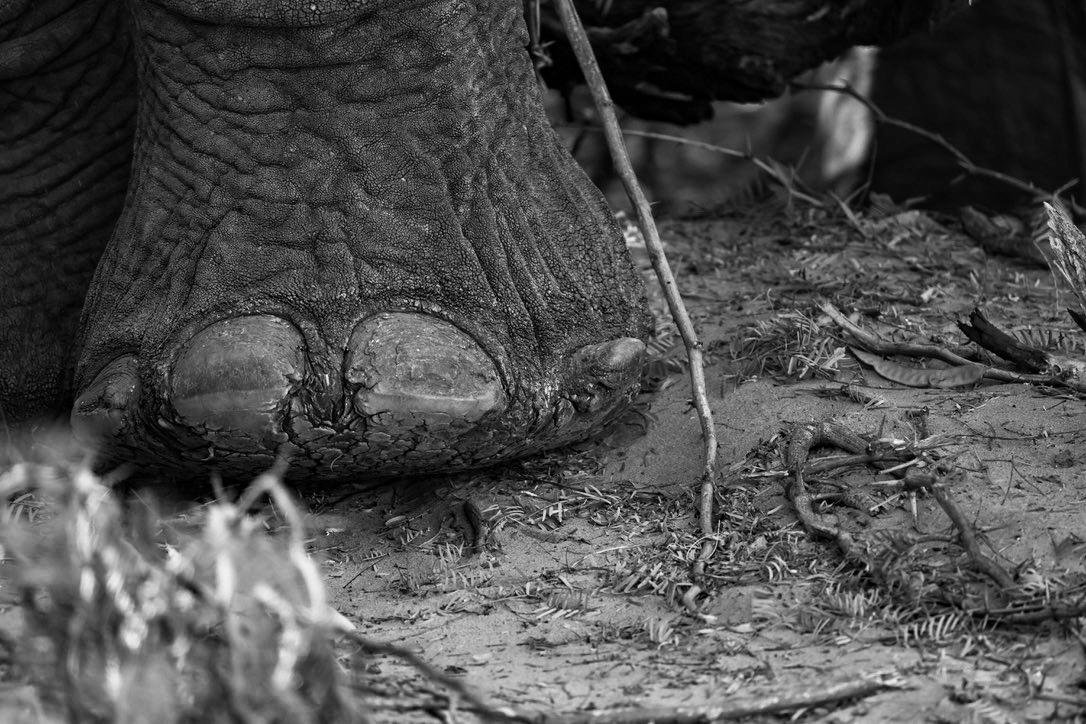
Southern Kunene is a region of communal conservancies, rocky valleys and dry rivers between Damaraland and the far north-west. Wildlife here, including desert-adapted elephants and rhinos, lives alongside local communities, and conservation-led travel supports both. It is central to the Tsawises approach to conservation-aware journeys.
The dry season (roughly May to October) concentrates wildlife along riverbeds and makes tracks more reliable. Summer is hot, and rain can change access quickly.
Southern Kunene is a full day's drive from Windhoek, often reached via Damaraland, with gravel and rougher tracks in the final stretch. Many travellers use guided drives and local hosts rather than self-driving every route.
Namibia's communal conservancies link wildlife protection with local livelihoods.
Elephants, giraffe and other wildlife adapted to arid conditions.
Guided experiences with trained trackers can be arranged in suitable areas.
Time with local hosts gives context that a map or guidebook cannot.
Travel with a suitable vehicle and plan fuel carefully. Choose operators who involve and benefit local communities. Distances and driving times are approximate and depend on route, season and road conditions. Tsawises confirms the route, vehicle and timings in your written proposal.
Areas where local communities manage and benefit from wildlife and tourism, an approach Namibia has supported since legislation in the 1990s.
Parts of it are, with a suitable vehicle and good preparation. Many travellers combine self-drive with guided activities.
It directs tourism income towards wildlife protection and local communities, and often gives a more meaningful visit.
 Conservation
Southern Kunene · Damaraland · Kaokoland
Route-appropriate camps and lodges — subject to confirmation